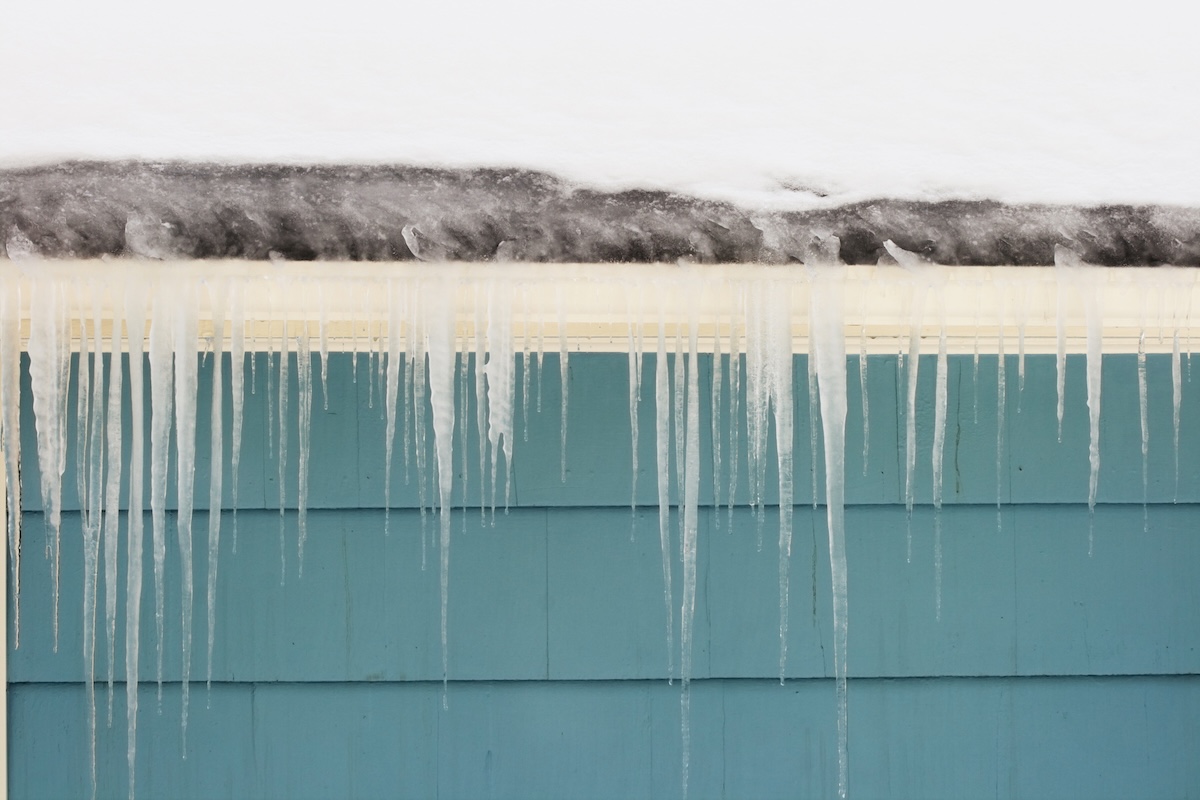
Your roof works hard during Ohio winters, battling snow, freezing rain, and wild temperature swings that would test any structure. When warm air escapes from your attic, it creates a sneaky problem that many homeowners don’t notice until water starts dripping through the ceiling. Ice dams form when melted snow refreezes at your roof’s edge, and once they take hold, the damage can spread fast. Biltmore Exteriors helps Canton-area homeowners stay ahead of winter roof threats—call us today to schedule your professional roof inspection!
What Causes Ice Dams on Ohio Roofs?
Ice dam prevention starts with understanding how these frozen ridges actually form. Heat rising from your living spaces warms the attic, which then warms the roof deck above it. Snow on the warmer sections melts and trickles down toward the colder eaves.
Key Contributing Factors:
Insufficient attic insulation allows heat to escape through the roof deck, creating uneven surface temperatures that trigger the melt-freeze cycle responsible for ice dam formation.
Poor attic ventilation traps warm air near the roof, and without proper airflow, that heat has nowhere to go except straight up through your shingles.
Complex roof designs with multiple valleys, dormers, and varying slopes create spots where snow accumulates unevenly and ice dams thrive.
Ohio’s freeze-thaw cycles are particularly brutal—temperatures can swing 30 degrees in a single day, constantly feeding the ice dam creation process.
Contact Biltmore Exteriors for a comprehensive attic and roof evaluation!
Why Should Canton Homeowners Prioritize Ice Dam Prevention?
The damage ice dams cause goes far beyond cosmetic concerns. Water pooling behind these frozen barriers finds its way under shingles, into your attic, and eventually down through ceilings and walls. By the time you notice a stain, the problem has often been brewing for weeks.
Potential Consequences:
Shingle damage occurs when ice expands and contracts, lifting granules and breaking the seal between layers—this shortens your roof’s lifespan considerably.
Interior water damage ruins drywall, paint, and insulation, and the repair costs add up quickly when you’re replacing ceiling sections and repainting entire rooms.
Mold growth thrives in the damp conditions ice dams create, and once mold takes hold in your attic or walls, remediation becomes expensive and disruptive.
Gutter destruction happens when heavy ice weighs down your drainage system, pulling gutters away from the fascia and causing structural damage to your roofline.
Don’t wait for damage to appear—reach out to Biltmore Exteriors for preventive solutions!
How Does Proper Insulation Support Ice Dam Prevention?
Think of attic insulation as a thermal barrier between your heated living space and the cold roof above. When insulation is thin, compressed, or missing in spots, heat escapes unevenly. That inconsistent heat loss is exactly what starts the melting process that leads to ice dams.
Insulation Best Practices:
Ohio homes typically need R-49 to R-60 insulation in the attic to meet current energy codes, and many older Canton homes fall well below these standards.
Air sealing around penetrations like light fixtures, plumbing vents, and attic hatches stops warm air from bypassing your insulation entirely.
Professional assessment identifies thin spots and compression areas that homeowners often miss during visual inspections from the attic access.
Upgrading insulation pays dividends beyond ice dam prevention—you’ll notice lower heating bills and more consistent indoor temperatures all winter long.
Schedule an insulation evaluation with Biltmore Exteriors today!
What Role Does Ventilation Play in Preventing Ice Dams?
Attic ventilation keeps the underside of your roof cold and uniform—exactly what you need to stop snow from melting unevenly. A well-ventilated attic allows cold outside air to flush out any warmth that does escape, maintaining consistent temperatures across your entire roof surface.
Ventilation Essentials:
Balanced intake and exhaust vents work together—soffit vents pull in cold air while ridge or gable vents release warmer air that rises to the attic peak.
Blocked soffit vents are surprisingly common, especially in older homes where insulation has shifted or been added without attention to airflow pathways.
Proper ventilation ratios follow the 1:150 rule—one square foot of ventilation for every 150 square feet of attic floor space keeps air moving effectively.
Professional installation ensures baffles remain in place, preventing insulation from blocking crucial air channels at the eaves where ice dams typically begin.
Let Biltmore Exteriors assess your attic ventilation system!
Can Roof Design Features Improve Ice Dam Prevention?
Certain roofing materials and installation techniques provide an extra layer of defense against ice dam damage. While they won’t stop ice dams from forming, they minimize the harm when nature wins a round against your prevention efforts.
Protective Measures:
Ice and water shield membrane installed along eaves creates a waterproof barrier that protects vulnerable areas even when water backs up behind ice dams.
Proper flashing installation at valleys, chimneys, and wall intersections prevents water infiltration at the joints where ice dam damage often begins.
Metal roofing sheds snow more readily than asphalt shingles, and the smooth surface makes it harder for ice dams to gain a foothold.
Heated cable systems provide a last line of defense for problem areas, though they work best as a supplement to proper insulation and ventilation.
Trust Biltmore Exteriors for professional roofing solutions tailored to Ohio winters!
Why Choose Professional Ice Dam Prevention Over DIY Methods?
Climbing onto an icy roof with a shovel or hacking at ice dams with a hammer puts you at serious risk—and often causes more damage than the ice itself. Professionals bring the right tools, safety equipment, and expertise to address ice dam issues without creating new problems.
Professional Advantages:
Trained technicians identify root causes rather than just symptoms, addressing the underlying insulation or ventilation issues that lead to recurring ice dam problems.
Proper equipment including thermal cameras, moisture meters, and safe roof access tools allows thorough inspection without guesswork or dangerous shortcuts.
Warranty-backed repairs protect your investment, and reputable contractors stand behind their work if problems resurface after treatment.
Insurance and licensing mean you’re protected if something goes wrong—DIY roof work during winter conditions has led to countless injuries and insurance claim denials.
Contact Biltmore Exteriors for safe, effective ice dam solutions!
Need Expert Ice Dam Prevention? Contact Biltmore Exteriors Today!
Ohio winters test every home, but with the right preparation, your roof can handle whatever nature throws its way. Since 2003, Biltmore Exteriors has helped Canton homeowners protect their properties through honest assessments, quality workmanship, and service that exceeds expectations. We show up on time, deliver what we promise, and treat your home like it’s our own. Call Biltmore Exteriors today to schedule your comprehensive roof and attic inspection—because ice dam prevention saves you money, headaches, and stress all winter long!